
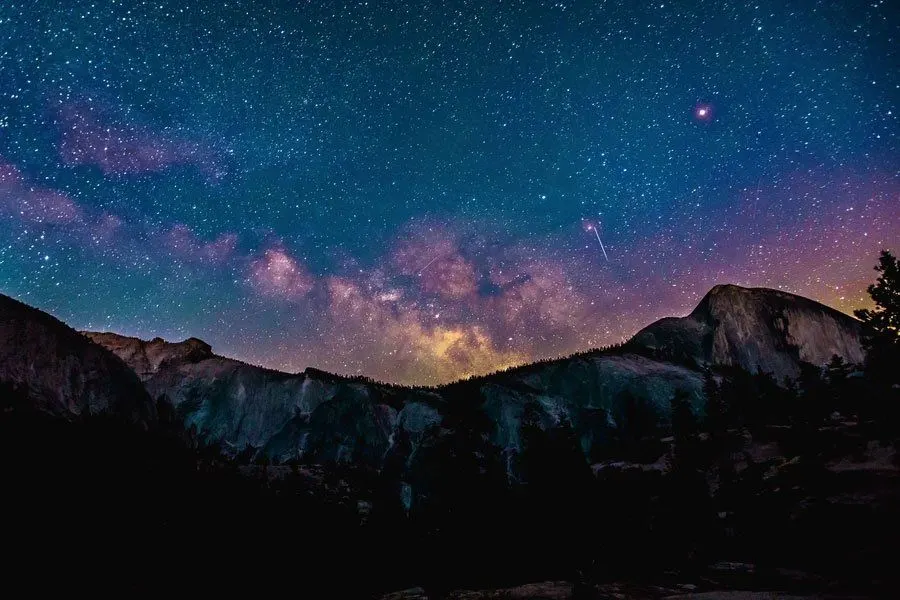
Night photography is an excellent way to create striking images using low light levels and long exposures. Drones, however, can be shaky, which leads to blurry pictures, especially at night. Great night drone photography takes planning, the right settings and a little patience. Here are four steps to get you there.
1. Plan the time and place for the shoot
First, know the rules: in most cases flying a drone at night in Australia is illegal unless you hold a Remote Pilot Licence (RePL) and operate under a Remote Operator Certificate (ReOC) as part of a commercial operation with the appropriate approvals.
Survey the area during the day so you can see everything in good light and identify risks and obstacles. Cityscapes with impressive buildings and varied lighting make superb subjects, as do landscapes under moonlight.
2. Set your camera for best results
The best night photographs come from sufficient light, minimal blur and files you can edit afterwards. Use these settings:
- Shoot in RAW format (DNG if available) to keep the most information for processing
- Turn the mechanical shutter off to eliminate vibration
- Lock the gimbal to reduce slow movement
- Turn front drone lights off to stop light bleeding into the lens
- Keep ISO low and use longer exposures for cleaner images
Be prepared to take lots of shots and experiment. Try shooting thirty minutes after sunset while there is still colour in the sky, then again under fully dark skies. If results are too bright, increase the f-stop or shorten the exposure.
3. Edit the images
Load your best shots into Lightroom or a similar application and work through:
- Crop and resize
- Adjust exposure and brightness, lifting shadows where needed
- Increase clarity to bring out the light
- Apply dehaze and add vibrance
- Experiment with masking layers and graduated filters
- Emphasise key features with local adjustments
Do not be afraid to experiment. Night files reward bold editing and can produce photographs that are truly unique.
4. Create unusual images with drone lighting
As an alternative to shooting from the drone, mount lights on it and use the drone to illuminate subjects such as rock formations, then photograph them with a conventional camera on a tripod. Drone lights are lightweight, run on independent power and can draw patterns in the night sky. With the right settings and a little imagination, the results are spectacular.
Want to fly at night commercially? That requires a RePL and ReOC. Explore our CASA-approved courses to get qualified.